

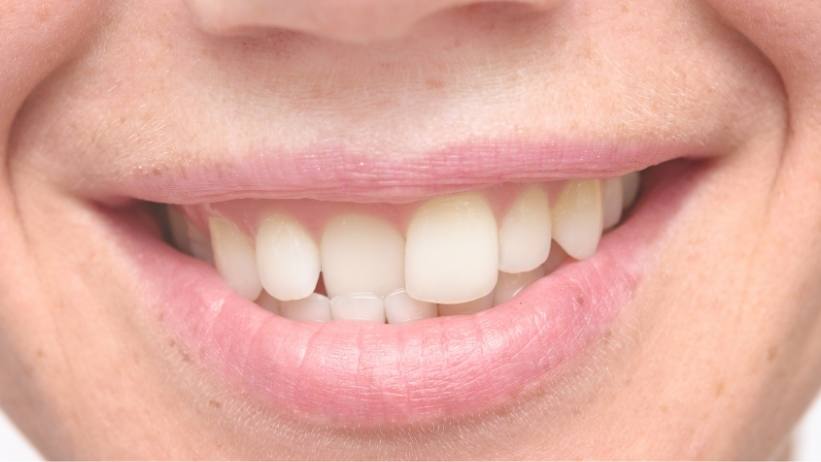
Snaggletooth causes
Seldom is a single element responsible for the formation of a snaggletooth. It’s critical to examine the most prevalent causes of this ailment in order to comprehend its contributing variables, which frequently consist of multiple interrelated elements, including:
Genetics
Genetics plays a major role in determining the size of your jaw and teeth. If your jaw is naturally smaller or your teeth are larger, crowding often occurs. With limited space, one or more teeth may erupt out of place, resulting in a snaggletooth. If crooked teeth or small jaws run in your family, you may be more likely to experience them as well.
Childhood Habits
Certain habits during childhood can interfere with normal tooth and jaw development. Prolonged thumb-sucking, pacifier use, or tongue thrusting can place continuous pressure on the teeth, gradually pushing them out of alignment. The longer these habits persist, the more significant the misalignment can become.
Jaw Size and Crowding
Even without external habits, a mismatch between jaw size and tooth size is a very common cause. Simply put—if there’s not enough space in your mouth for all your teeth, they may shift, overlap, or protrude, which often results in a snaggletooth.
Early Tooth Loss
Baby teeth serve as natural “guides” for adult teeth. If a child loses a baby tooth too early due to decay or injury, the surrounding teeth may drift into the empty space. When the permanent tooth eventually erupts, it may come in crooked because the proper space has been lost.
Extra Teeth or Supernumerary Teeth
In rare cases, people may develop extra teeth beyond the normal set. These additional teeth may compete for space inside the jaw, causing crowding and displacing other teeth. While rare, supernumerary teeth can be a hidden reason behind a snaggletooth. If diagnosed early through dental X-rays, extraction and orthodontic treatment can prevent long-term complications.
Why is Snaggletooth a Concern?
While some people view their snaggletooth as charming, it can create numerous challenges that extend beyond appearances.
Oral Hygiene Difficulties
According to the Canadian Dental Association (CDA), misaligned and crooked teeth are more difficult to clean and can increase the risk of cavities and gum disease. These snaggleteeth that stick out are often prone to chipping and damage. Plaque and food particles can build up in tight spaces that are difficult to reach with a toothbrush or floss. Over time, this raises the risk of:
Functional Problems
Misaligned teeth can cause bite issues (malocclusion). This can lead to:
-
Uneven wear and damage on teeth
-
Increased risk of chips or cracks
-
Jaw discomfort or TMJ disorders
-
Difficulty chewing or pronouncing certain sounds
Self-confidence Issues
For many, the biggest impact of a snaggletooth is psychological. People may avoid smiling in photos, cover their mouths when laughing, or feel uncomfortable in social and professional settings. This can affect self-esteem and confidence over time.
How to Fix a Snaggletooth
The good news is that modern dentistry offers multiple ways to fix a snaggletooth. The best options vary based on factors such as severity of misalignment, age, budget, and personal preference.
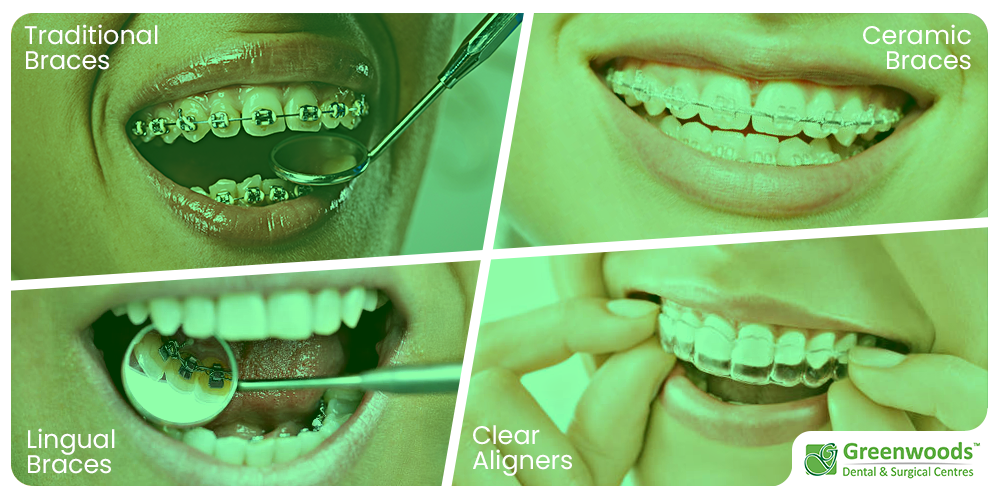
Traditional Braces
Braces remain one of the most effective ways to move teeth into proper alignment. Using brackets, wires, and elastics, braces apply steady pressure to guide teeth into their correct positions. They can fix mild to severe misalignments, although treatment can usually range between 18 and 24 months.
Clear Aligners (Invisalign)
Clear aligners like Invisalign are a discreet alternative to braces. These custom-made trays gradually shift teeth into place and can be removed for eating, brushing, and flossing. They are nearly invisible, making them a popular choice for adults who want a more subtle option.

Veneers or Crowns
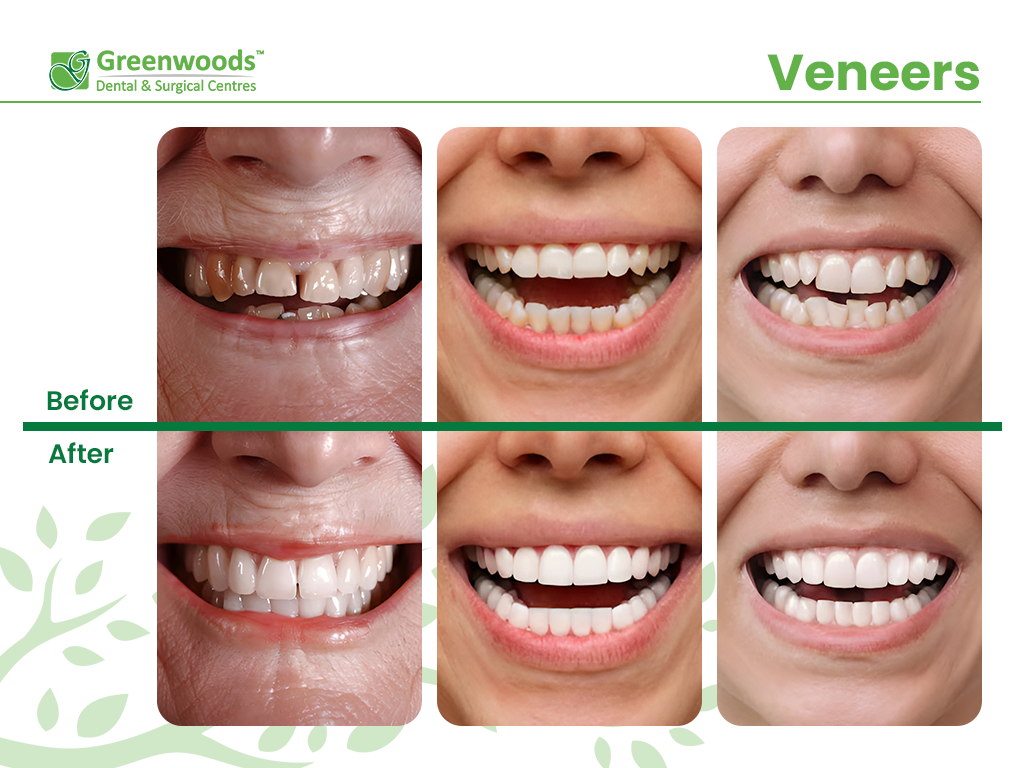
When the misalignment is minor and primarily cosmetic, veneers or crowns can offer a fast solution.
-
Veneers are thin shells bonded to the front of the tooth to improve appearance.
-
Crowns cover the entire tooth and may be used if additional structural support is needed.
While these treatments don’t move the tooth, they can create the appearance of a straighter smile in just a few visits. They offer a quick and effective cosmetic solution, often completed in just a few appointments.
Dental Contouring and Bonding
For minor misalignments, dentists may recommend reshaping the tooth (contouring) or adding tooth-colored resin (bonding) to smooth out irregularities. These are quick, painless, and cost-effective options for minor cosmetic adjustments.
Consultation with an Orthodontist
If you have a snaggletooth, the first step is a consultation with a dentist or orthodontist. At Greenwoods Dental, we use tools such as X-rays and 3D imaging to evaluate your teeth and bite. From there, we create your personalized treatment plan that fits your needs, lifestyle, and budget. We’ll walk you through every option—explaining the pros and cons of braces, aligners, veneers, or cosmetic procedures—so you can make an informed decision.
Conclusion
A snaggletooth may seem like a small dental quirk, but it can have a big impact on your oral health, function, and confidence. Thankfully, with today’s advanced treatment options, you don’t have to settle for a smile that makes you feel self-conscious. Whether your concern is cosmetic, functional, or both, there is a solution to help you achieve a straighter and healthier smile.
Ready to explore your options? Book a consultation at Greenwoods Dental Centre today and take the first step toward the smile you deserve.